History of Mill End Boutique Accommodation

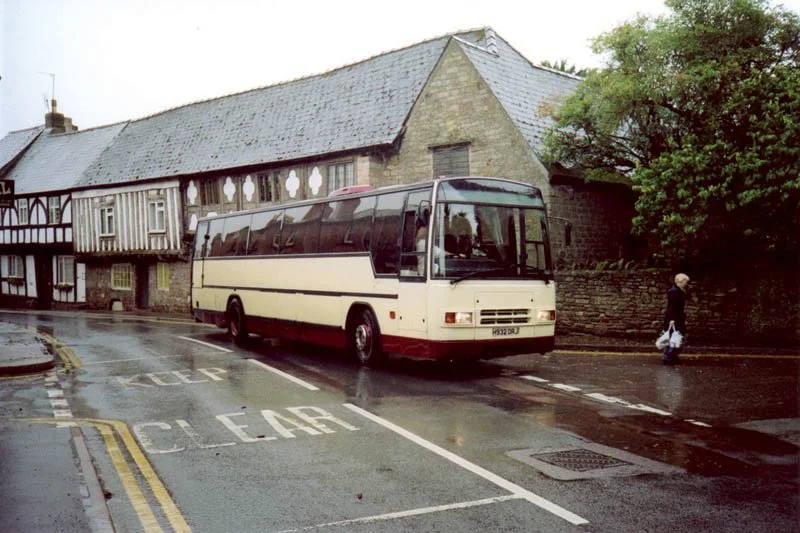
Mill End Mitcheldean dates back to the 1400s and has a rich, layered history. Once a medieval long hall, the house still features original details including 17th-century hinges, historic bread ovens and beautifully shaped oak beams — signs of a home built for someone of status.
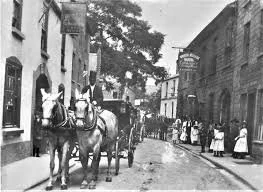
Over the centuries, Mill End has been a village pub, bakery and shop before becoming the unique country house it is today. When purchased in 2004, it had just three bedrooms.
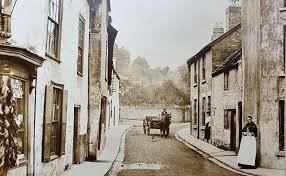
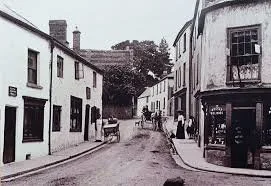
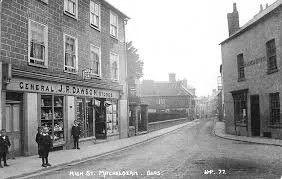
Located in the historic Gloucestershire village of Mitcheldean, the area has deep roots in iron mining, brewing, pin making and clock making, later becoming home to the Rank Xerox factory.
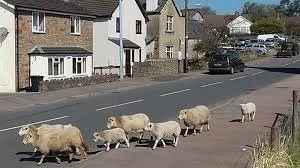
Today, Mitcheldean remains full of character, with timbered buildings, narrow lanes and easy access to the Forest of Dean — making Mill End a perfect base for gathering, relaxing and exploring. The village has 3 take-aways, a pub, a late co-op for last minute wine or ice cubes and a family run butcher. And a secret garden cafe at 17 High St Mitcheldean - thurs/fri 10.30/4.30.
The Medieval Daisy Wheel
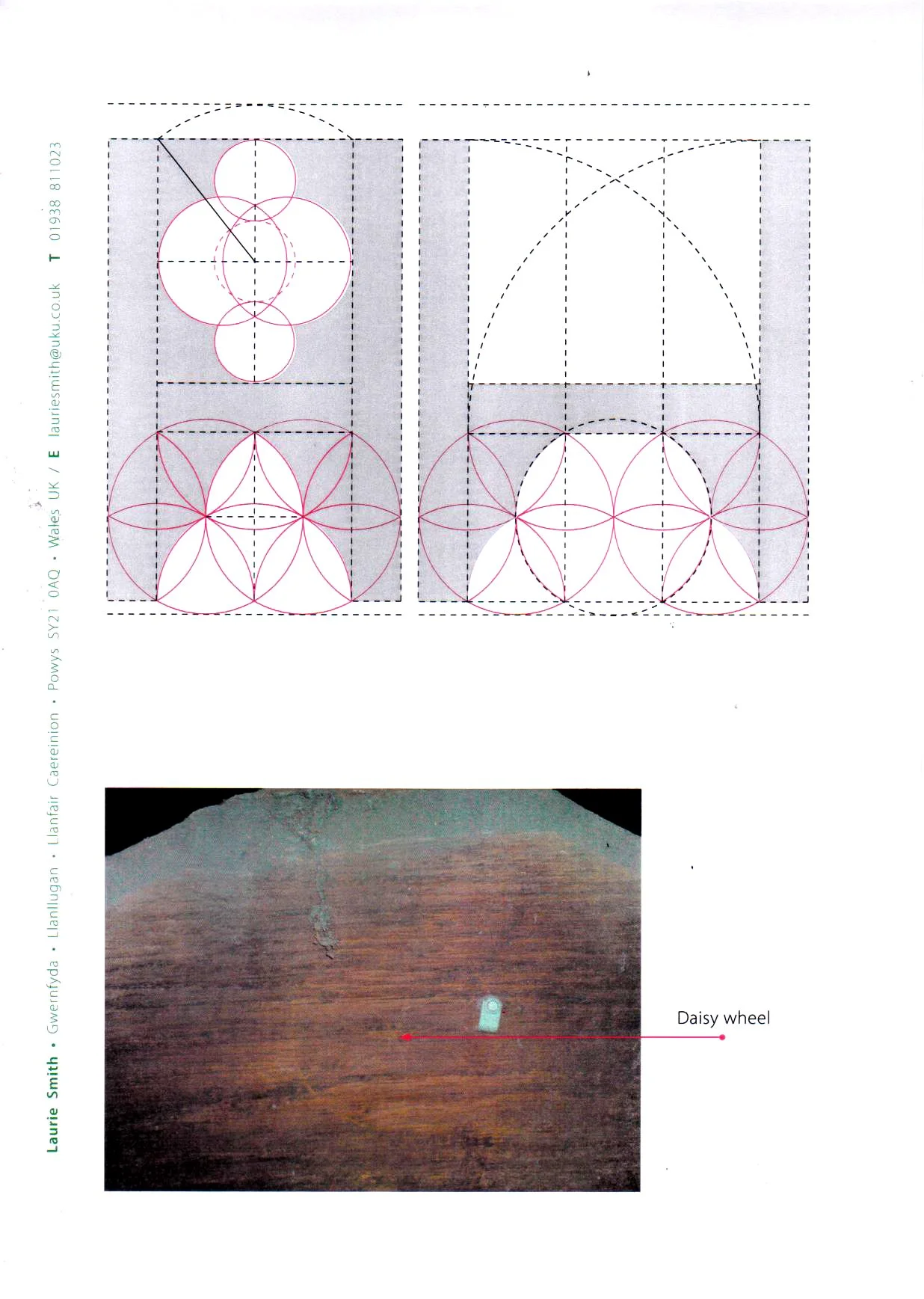
Hidden within Mill End’s 600-year-old oak beams is a rare carved daisy wheel — also known as a hexafoil — a six-petalled geometric design used by medieval carpenters and builders.
The marking was discovered by timber framer Rupert Newman during construction of our green oak garden room, and later studied by geometer and early-building researcher Laurie Smith.
Daisy wheels were practical working designs used by master carpenters to create accurate proportions and measurements during construction. Drawn using a simple compass technique, the pattern helped builders measure circles and diameters with precision.
This remarkable carving is another small reminder of Mill End’s long medieval history and craftsmanship.